


The most serious leaders I know all have something that sparkles
Two days of mission. Ten interviews. A team under pressure. Then at the break, someone noticed my glitter shoes. Everything shifted.


Two days of mission. Ten interviews. A team under pressure. Then at the break, someone noticed my glitter shoes. Everything shifted.
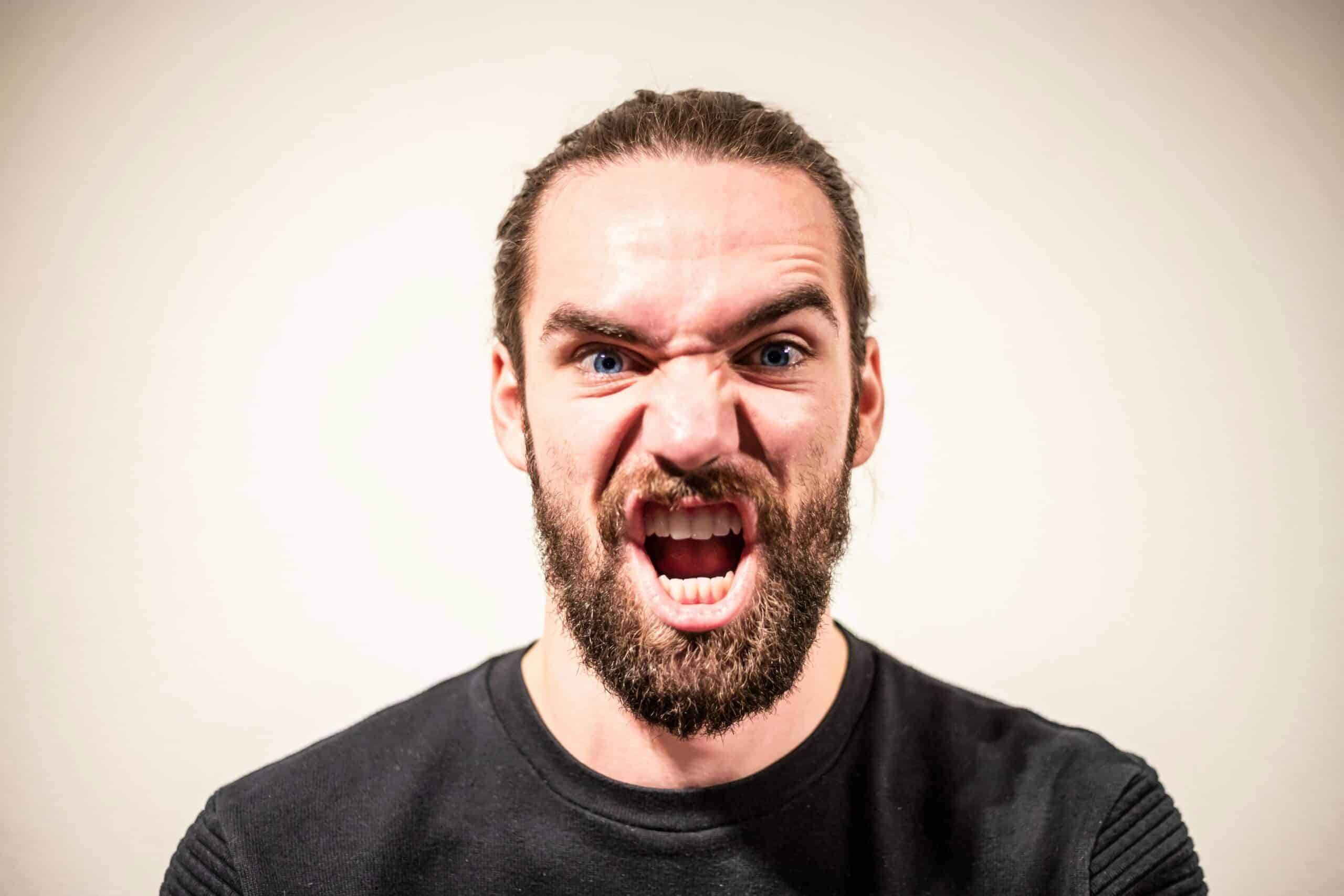
His group had just chosen a tool he considered wrong. I asked if he was angry. His answer: "No, that wouldn't be appropriate."

Record revenue, full pipeline — and joy noticeably absent. Two CEO clients helped me understand why "always more" can become a trap.
A CEO uses "not bad, good job" when he is proud of his team. Our brain retains "bad" first. And "good job" stays impersonal, with little real effect.

We had spent weeks preparing this seminar. Then the subject shifted. An entire day repeating the same thing in different forms — and an unexpected mirror in an airplane.

As a leader, what do you leave behind if you disappear tomorrow? A field of dandelions asked me this question — and the answers surprised me.

We always celebrate the butterfly. Its freedom, its colours. We forget the chrysalis — that time in the dark, building, risking something to finally emerge.

It is 8pm. I have given everything and taken nothing for myself. So I went to put my feet in the lake. Lake Geneva — which appears calm but carries immense invisible currents.

I'm sleeping badly. I'm irritable. I arrive at summer on empty. My sports coach said: let's lighten the programme so your body drives your performance — not the other way around.

You say 'I'll find the time.' But what if that phrase reveals exactly how much control you've handed over to the outside world?

A GM wanted a team offsite to remobilise after three reorganisations. I said no. What teams actually remember are the micro-moments built together during the hard times.

"We're in the thick of it." Words I hear in meetings, from CEOs and CHROs. What if adrenaline isn't the only fuel that drives people forward — or the best one for lasting results?

A CEO told me "I'm my own greatest fan." My first reaction? To judge. Then I paused. That reaction said nothing about him — and everything about me.

I recruited him, trained him, pushed him towards opportunities he wouldn't have sought alone. That evening, he didn't remember. I felt two things rise at once: unrecognised contribution, and pure jealousy.

A CHRO client feels useful 20% of the time in her role. Her brain found its solution: drowning in the familiar. That's brownout — and I saw myself in her mirror.

Threatening to resign over a harassment case: brave. Letting a bad hire go through to avoid conflict: cowardly. The real price of managerial cowardice — no one calculates it in advance.

My client was content with what he had. And I was irritated. Until I found that in 19th-century French, 'avoir son content' meant being fully satisfied — not settling. A complete reversal.

A CEO rehearses for his board. His CHRO wasn't in the room when the strategic plan was built. My face said it all. I've been hearing 'it's coming' for 25 years.

A note slipped under a mouse on a Paris-Geneva train. A young woman returning from maternity leave, in tears. What we give and receive when we dare to be truly present.
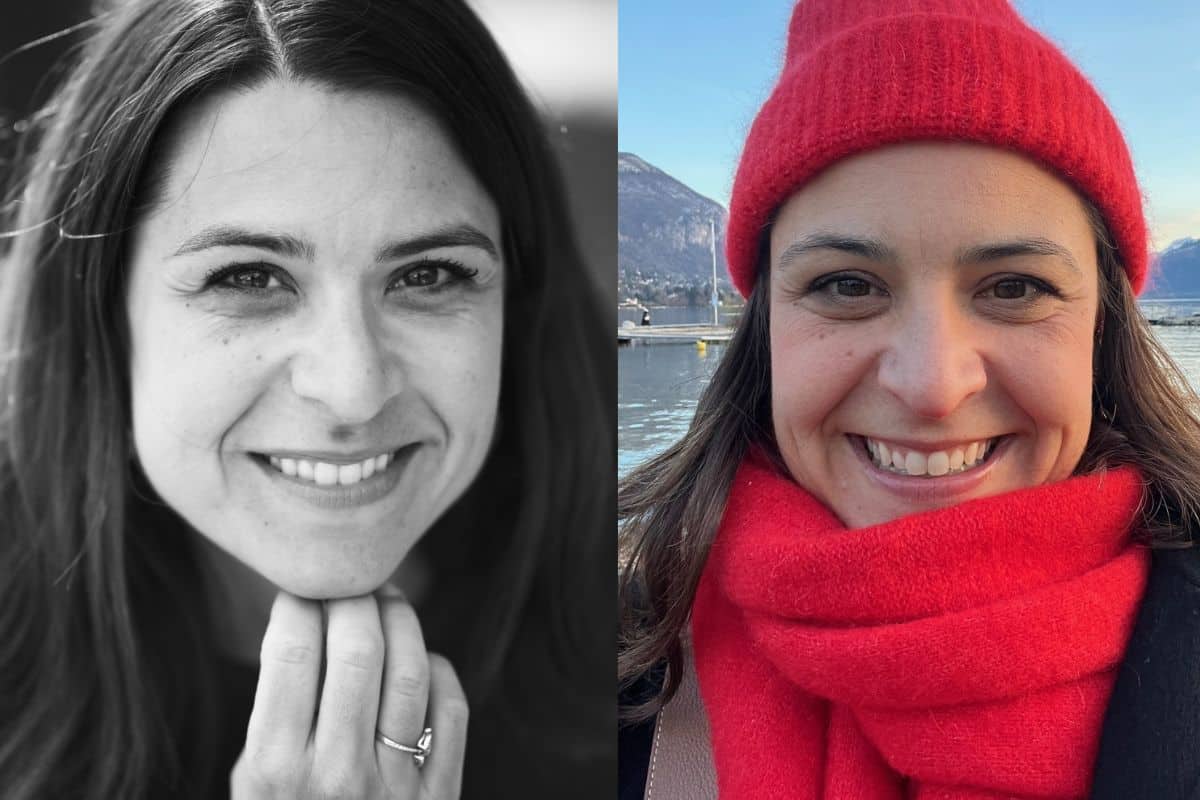
Seven years ago, I was at the peak of my career. Then everything stopped. Silent burnout, invisible from the outside. What I've understood since changes how I work with executives.

AI blurs the line between good and average. It makes experience seem less relevant. And yet it makes certain leadership qualities more valuable than ever.

A senior executive asks me to help him hold on until retirement. I almost said yes. Then I said no. Because surviving without living is not a mission I take on.
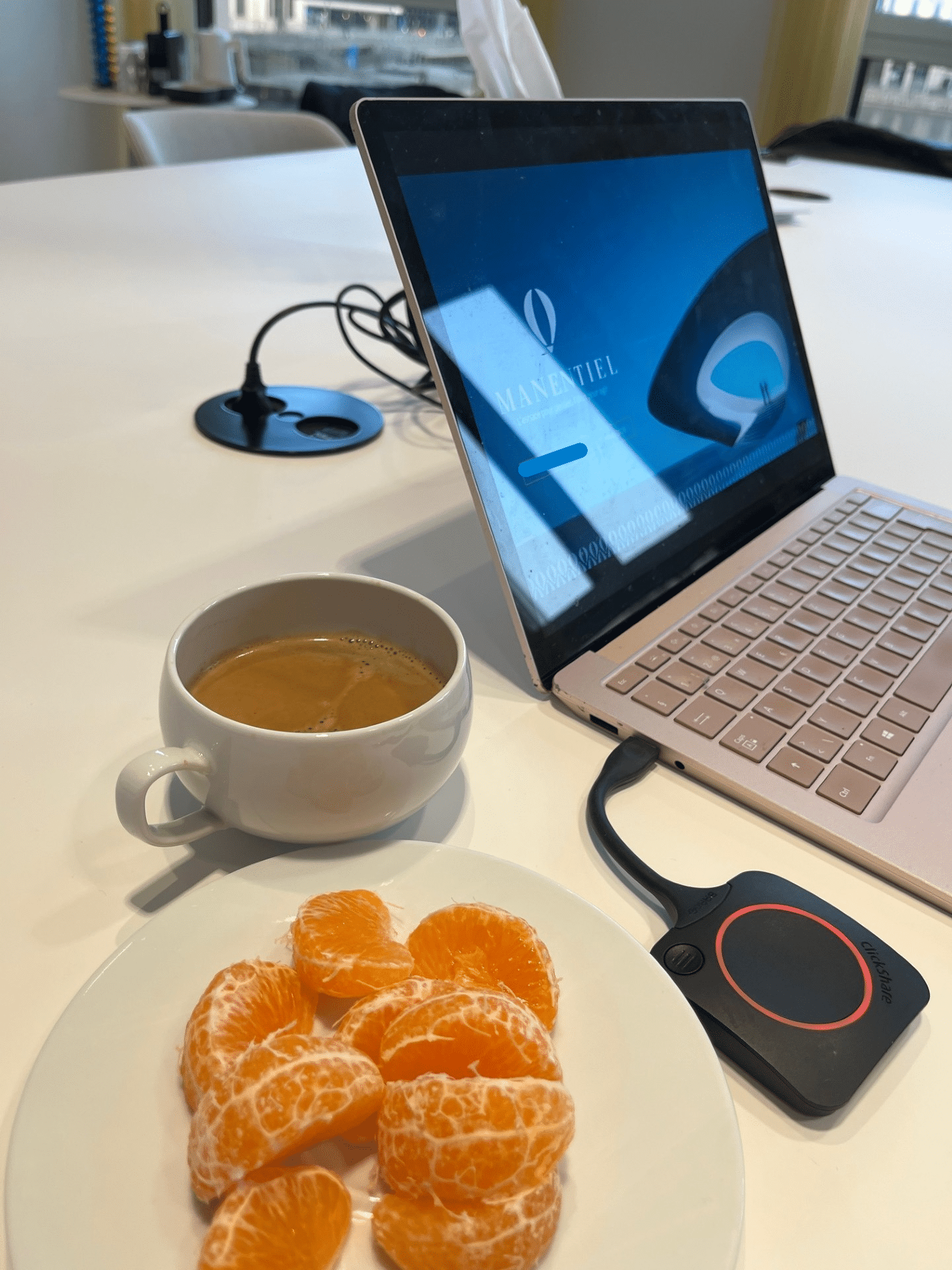
A coffee. Some clementines. A Luxury House director who welcomes differently. This apparently minor detail says something essential about what creates lasting connection in an organisation.

Two directors in open conflict. Everyone's first instinct: find the culprit. What I saw instead: two executives with no project big enough to absorb their energy. The conflict wasn't the problem.

A 50-year-old executive living for his next holiday. That's not laziness. It's a signal. And that signal deserves a real answer — not a five-step plan.

We admire executives who 'hold the line.' But between resilience and over-adaptation, the line is thin. One strengthens you. The other erodes you. Do you know which one you're practising?

How does a CEO last 10 years in a major industrial group through repeated crises? The answer isn't resilience or strategy. It's inner freshness.

You say 'I'll find the time.' But what if that phrase reveals exactly how much control you've handed over to the outside world?
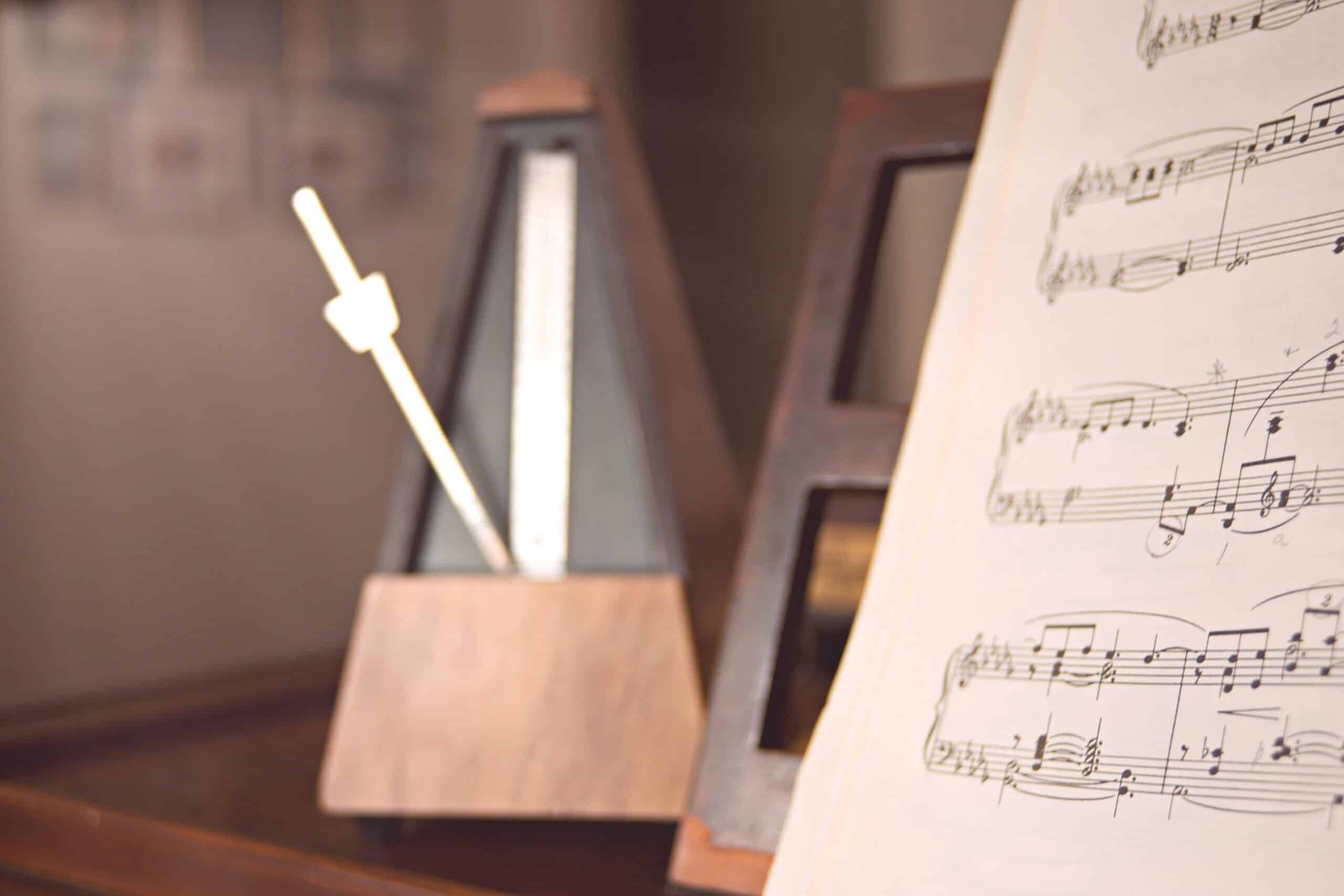
At 46, I started learning piano. My teacher said: without an objective, you won't progress. This isn't a willpower problem. It's a priority problem — and an accountability one.

Held hostage by her board, by governance, by the gap between targets and real resources. When a brain goes into survival mode, strategy and empathy alone won't fix it.